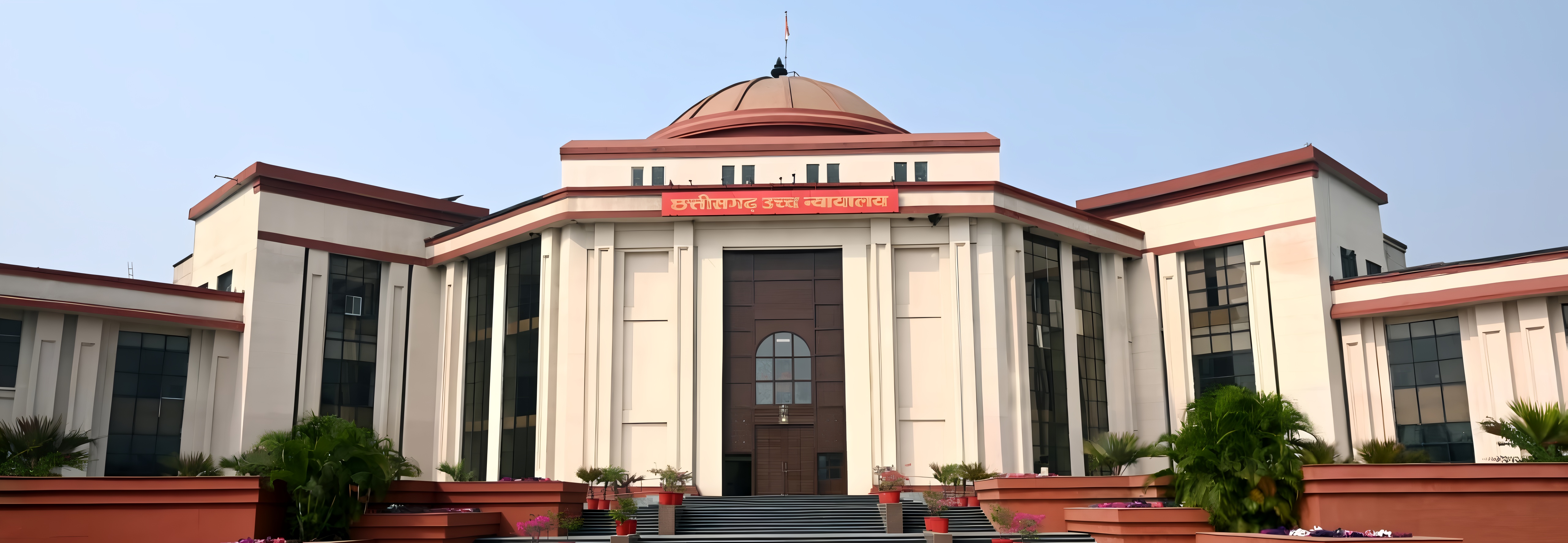
Hon'ble The Chief Justice
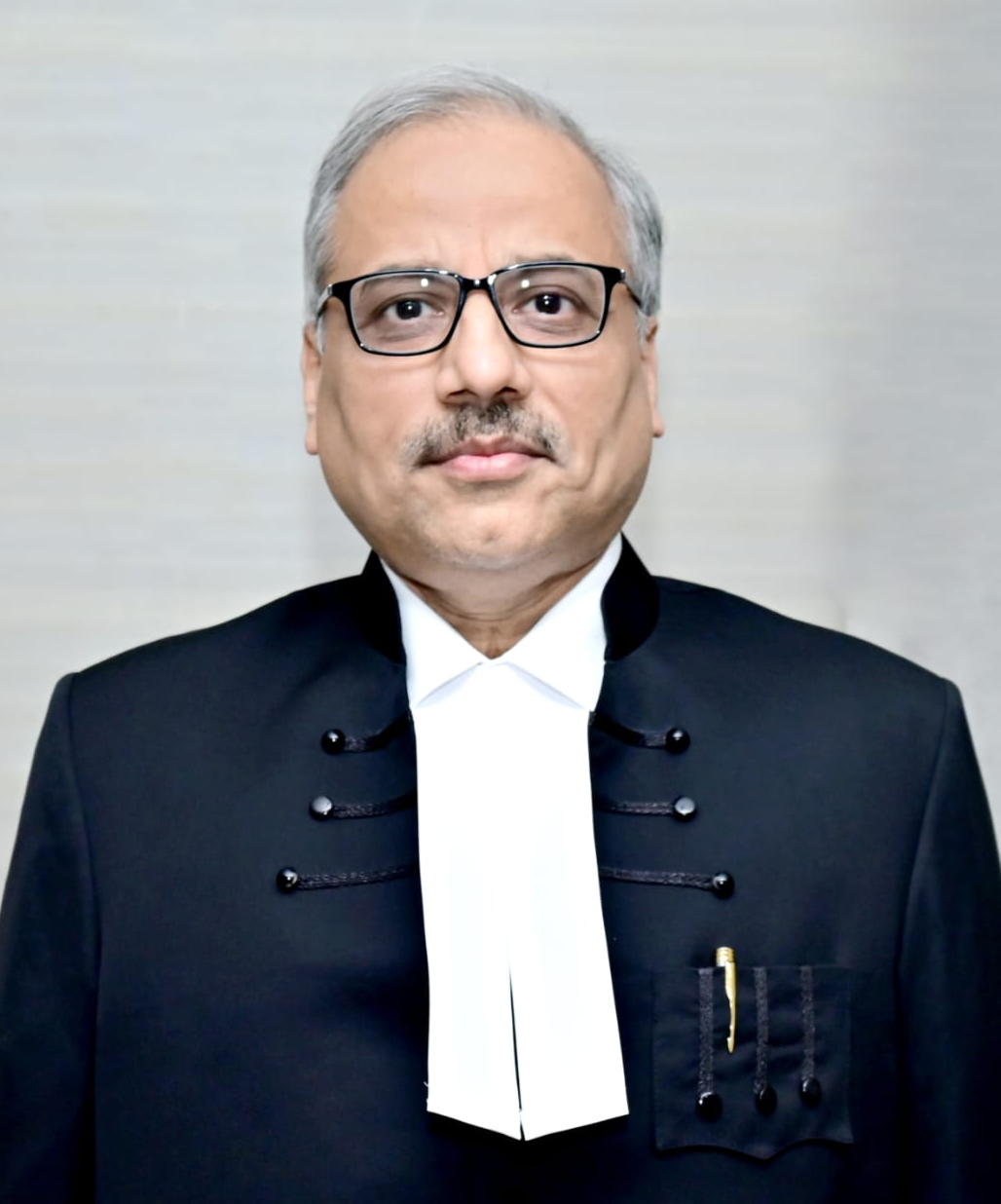
(Hon'ble The Chief Justice)
1. Circular No. 143 (Mis.) Bilaspur Dated 19th May 2026.
2. Endt. No. 9615/Checker Bilaspur, dated 19/05/2026
3. Endt. No. 9490/Checker Bilaspur, dated 15/05/2026
4. Endt. No. 9226/Checker Bilaspur, dated 13/05/2026
5. Endt. No.9211/Rules/2026 Bilaspur,dated 13/05/2026
6. Notice for Recruitment to the Post of Junior Judicial Assistant ( Computer ).
7. Endt. No.9140/Rules/2026 Bilaspur,dated 12/05/2026
8. Endt. No.9139/Rules/2026 Bilaspur,dated 12/05/2026
9. Endt No. 355/Confdl./2026 Bilaspur dated, 12/05/2026
10. Endt. No. 2056/HCLSC/NLA-ll/2026 Dated 05/05/2026
1. The Police Officer investigating a crime has to approach the jurisdictional Magistrate under Section 107 of the BNSS to seek attachment of any property believed to be derived directly or indirectly from a criminal activity or commission of an offence. Attachment/hold under Section 107 of BNSS can be effected only upon orders of Magistrate.
2. Mere entrustment of additional charge of the Registrar under the Pharmacy Act, 1948 read with the Pharmacy Council Rules, 1978, pending regular appointment, does not amount to holding a substantive statutory office. In absence of a valid appointment, the essential requirement for issuance of writ of quo warranto under Article 226 is not satisfied.
3. Kidnapping for Ransom – Criminal Conspiracy – Minor Child – Conviction under Sections 364-A and 120-B IPC – Proof of Offence – The prosecution can be said to successfully established that the accused persons, in furtherance of a criminal conspiracy, kidnapped the minor child for ransom, When the offence stood proved through cogent and reliable oral evidence, identification memo, electronic evidence including Call Detail Records (CDR), and cyber analysis reports, which consistently connected the accused with the commission of the crime. The prior meeting of minds and coordinated acts of the accused persons in execution of the kidnapping and ransom demand, proving the charge of criminal conspiracy under Section 120-B IPC.
4. The draft District Survey Report (DSR) is required to be placed in the public domain for inviting objections and suggestions and only thereafter, the same can be finalized and approved by the competent authority/DEIAA in accordance with law and in the absence of a validly approved DSR, no mining activity or auction process can legally proceed.
5. Unless the prosecution establishes other essential ingredients sufficient to shift the onus on the accused, it cannot take benefit of Section 106 of the Indian Evidence Act, 1872
6. Where the motive is duly established and the accused’s criminal antecedents stand admitted, and the prosecution case is further corroborated by recovery proceedings, medical evidence, and scientific findings including FSL and DNA analysis, the conviction of the accused stands fully justified and leaves no scope for any other view except guilt.
7. Principle of ‘No Work, No Pay’ is not universally applicable, it is dependable upon facts and circumstances of each case.
8. The testimony of the minor victim, if found cogent, consistent, and trustworthy, is sufficient to form the basis of conviction without the need for independent corroboration. Where the evidence withstands cross-examination and inspires confidence, it must be accorded full evidentiary value.
9. When the plaintiff’s title is in cloud and defendant claimed his own title over the subject property, the plaintiff is required to file suit for declaration of title and possession and without a finding of title thereon in favour of plaintiff, decree of possession cannot be passed.
10. Acquittal of accused in a mass attack on CRPF personnel upheld due to lack of direct evidence, incomplete circumstantial proof, procedural lapses in investigation, and failure to establish guilt beyond reasonable doubt, despite the gravity of the offence.
1. Provident Fund Embezzlement: Matter Reaches High Court; Teacher Argues Own Case.
2. Bail is the Rule, Jail is the Exception..Disagreement with One's Own Judgment.
3. Chhattisgarh High Court said that 'No Work, No Pay' does not apply everywhere.
4. High Court Revokes Suspension of Principal.
5. Keeping long-serving employees under outsourcing is wrong.
6. District Survey Report Mandatory for Sand Mining Auction.
7. First Vacation Bench in High Court Today.
8. Insurance Company Cannot Deny Father’s Claim Merely Citing Ration Card Status.
9. Supreme Court Grants Conditional Bail to Former IAS Officer Anil Tuteja.
10. Hold Virtual Hearings in High Courts: CJI Surya Kant Urges All High Courts