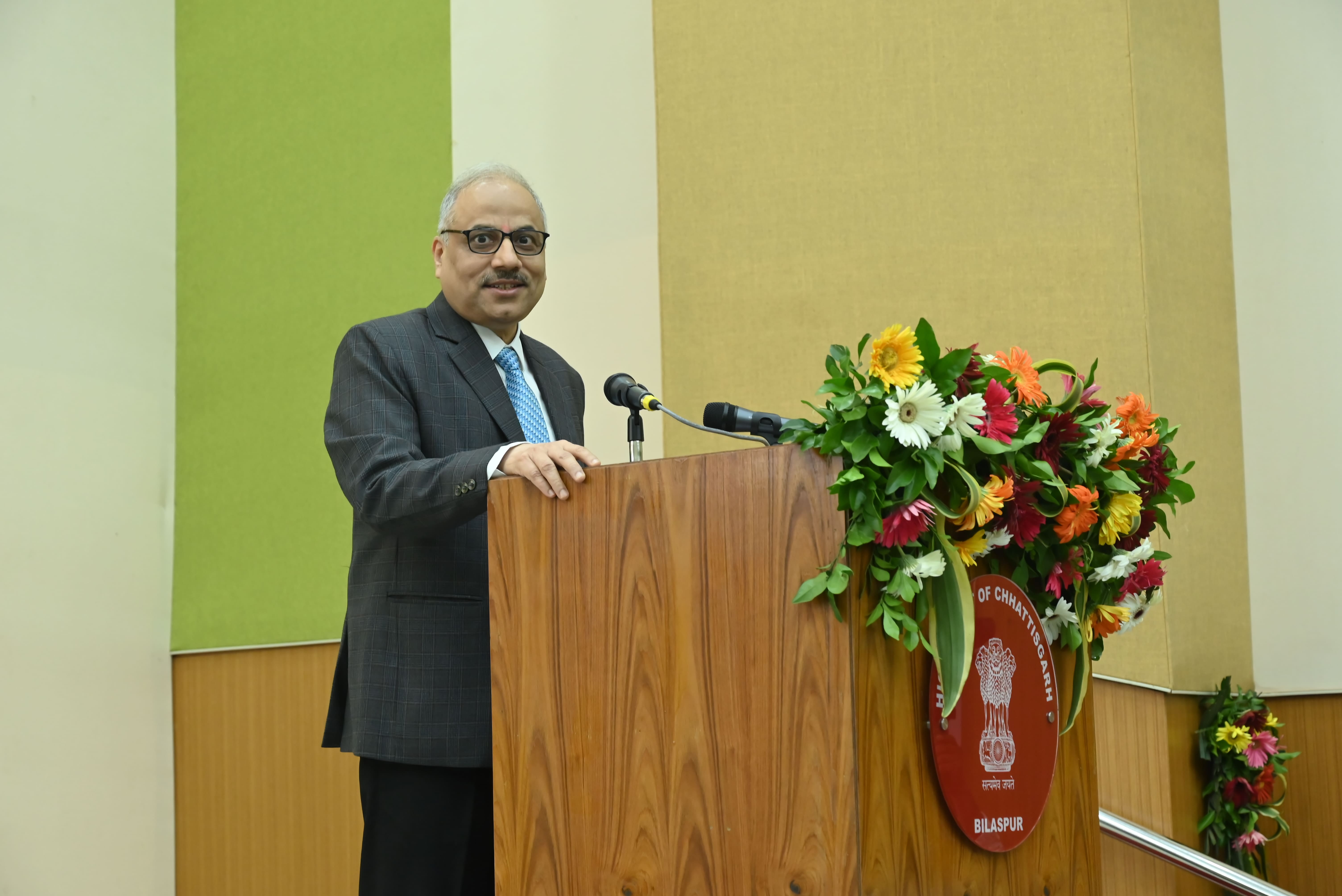
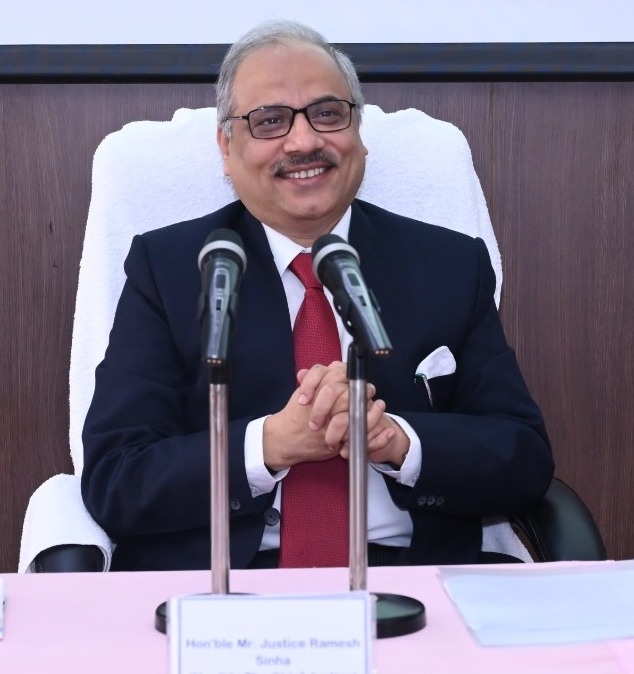
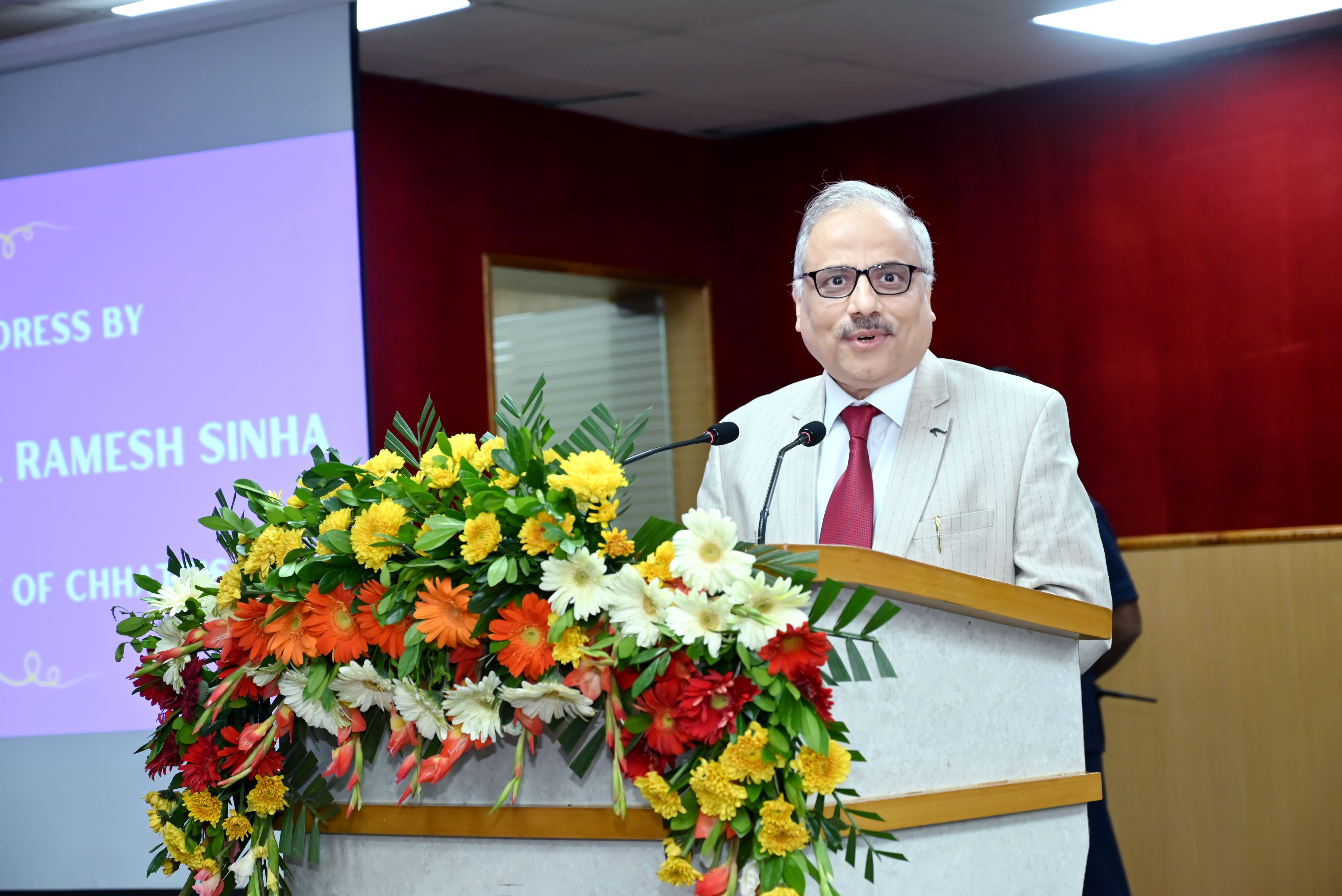
Hon'ble The Chief Justice
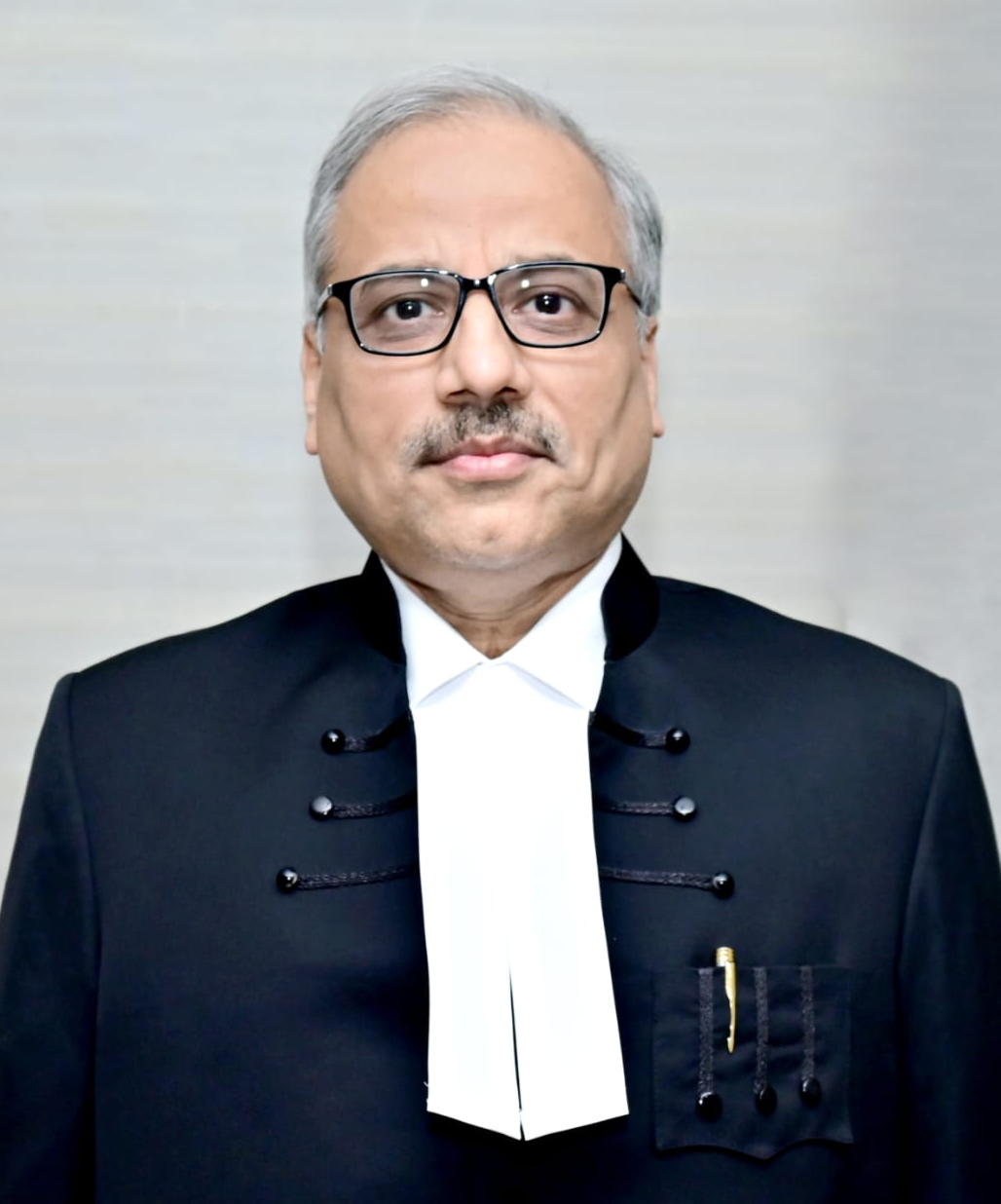
(Hon'ble The Chief Justice)
1. Endt. No. 264/Confdl./2026 Bilaspur dated 27/03/2026
2. Endt. No. 263/Confdl./2026 Bilaspur dated 27/03/2026
3. Endt. No. 262/Confdl./2026 Bilaspur dated 27/03/2026
4. Order No. 39/(App)./2026 Bilaspur dated 24/03/2026 (Section Officer).
5. Order No. 38/(App)./2026 Bilaspur dated 24/03/2026 (Assistant Registrar).
6. Order No. 37/(App)./2026 Bilaspur dated 24/03/2026 (Accounts Officer and Deputy Budget Officer).
7. Order No. 36/(App)./2026 Bilaspur dated 24/03/2026 (Budget Officer).
8. Order No. 35/(App)./2026 Bilaspur dated 24/03/2026 (Chief Accounts Officer).
9. Order No. 34/(App)./2026 Bilaspur dated 23/03/2026 (Section Officer (Accounts and Finance)).
10. Order No. 33/(App)./2026 Bilaspur dated 23/03/2026 (Section Officer)
1. Any Rules/Legislation framed cannot enlarge the scope of its parent statute and cannot travel beyond the Preamble or the object for which the said Rules/Legislation is framed.
2. Without impleading firm or issuing notice to the firm, the complaint under Section 138 of Negotiable Instruments Act, 1881 is maintainable against the partner of the firm.
3. Non-compliance with Section 52-A of the NDPS Act is not per se fatal to the prosecution case, and conviction can be sustained if the overall evidence on record credibly establishes recovery and possession of contraband, with courts required to assess such procedural lapses in light of the totality of evidence rather than on technical grounds alone.
4. The review jurisdiction under Order XLVII Rule 1 CPC is extremely limited and cannot be invoked for rehearing or reappreciation of the merits, as the review Court does not sit in appeal over its own order. A rehearing on merits is impermissible, the power of review being an exception to the rule of finality of judgments, exercisable only to prevent miscarriage of justice or to correct grave and palpable errors.
5. The account book is a private and unilateral record maintained by one party and such record cannot be treated as substantive evidence under Section 34 of the Indian Evidence Act, 1872, to impose liability for enforcement of a legal right without independent and corroborative evidence.
6. A prospective accused has no vested right to be heard prior to initiation
of criminal proceeding as the Cr.P.C (BNSS) does not provide for right of
hearing to the prospective accused before the registration of an FIR.
7. Even if there is any sort of procedural illegality in conducting the
search and seizure, that evidence itself will not become inadmissible
unless the search and seizure was in complete defiance of the law and
procedure or the evidence collected has been tempered with or
interpolated.
8. The owner/employer of a project, being the author of the tender documents, is best placed to understand the requirements of the project and to interpret the terms and conditions contained therein. In matters relating to interpretation of tender conditions and evaluation of bids, Courts ought to exercise restraint and
should not substitute their own interpretation in place of that adopted by the owner/employer, unless the decision is shown to be arbitrary, irrational, mala fide, or in violation of statutory provisions.
9. Failure to satisfy the requirement of detention solely for political or social reasons is fatal to a claim for Samman Nidhi under the Lok Nayak Jai Prakash Narayan (MISA/DIR Rajnaitik Ya Samajik Karno Se Niruddha Vyakti) Samman Nidhi Niyam, 2008.
10. Ocular, medical, electronic, and circumstantial evidence including last- seen testimony, recovery of weapons, and unexplained injuries on the accused clearly established the guilt of the appellant beyond reasonable doubt. Minor contradictions in the testimony of witnesses or the hostility of some witnesses would not weaken the prosecution case and would not constitute a ground for acquittal.
1. Supreme Court rebukes courts for naming rape survivors.
2. Rules Cannot Enlarge Scope of Parent Statute: Chhattisgarh High Court Declares 2022 Molasses Rules ‘Ultra Vires.
3. Chhattisgarh HC Restores Conviction in ₹30 Lakh Cheque Bounce Case, Clarifies Law on Firm Liability.
4. Chhattisgarh High Court Strikes Down Molasses Licensing Rule for Non-Liquor Traders.
5. Testimony via sign language interpreter is valid, says Chhattisgarh High Court.
6. No impact on public peace: Chhattisgarh High Court drops matrimonial torture case against husband after settlement.
7. Sign language testimony valid for conviction, rules Chhattisgarh HC.
8. Chhattisgarh High Court says signs, gestures are oral evidence, upholds conviction of man for raping disabled woman.
9. Having two driving licenses does not violate the insurance policy; the family of the woman who died in the accident will receive an additional ₹16.53 lakh.
10. Assistant Professor’s dismissal canceled; full salary from 2019 to be paid, reinstatement in service ordered.